
Most transformations don't fail immediately.
They drift.
People work around the new system. They revert to the decisions they know. The performance improvement disappears quietly, one workaround at a time.
We ask the questions that defend the outcome. Before someone else has to.
Four situations. One consistent cause.
We keep seeing four situations. They look different on the surface. The cause is almost always the same.
ERP live. Performance missing.
The system works. The organisation hasn't changed around it. Benefits are drifting.
ERP TurnaroundGrown fast. Model not keeping up.
Strategy is clear. Operations are straining. The model needs redesigning.
TOM RedesignTransformation under investor pressure.
The performance improvement plan is clear. Delivery is the question.
PE-Backed TransformationProcesses not delivering; performance, compliance, or both.
Regulatory pressure, system-process misalignment, or adherence failure.
Process & ComplianceWe start with the question most consultancies skip.
If the outcome isn't achievable given the organisation's capability, we'll say so. That honesty is what makes the work that follows worth doing.
Most programmes struggle not because the strategy is wrong, but because the capability required to deliver and sustain change was never honestly assessed. Sustaining change is the harder part. It requires a different discipline from delivering it, and most programmes confuse the two. The gap between what is planned and what the organisation can actually do is where performance improvement disappears. The pattern is consistent. The honest question is not.
The gap between what's planned and what the organisation can actually do is where performance improvement disappears and cost continues to rise.
We ask the questions that defend the outcome.
Whatever the trigger, we start by asking three questions: what outcome is this supposed to achieve, whether the organisation is genuinely capable of delivering and sustaining it, and whether change has been designed as a discipline or assumed as a consequence. Most programmes assume the last one. That is where the value goes.
We prove and partner.
Every engagement starts with a fixed-fee Reality Check. You see what we find before committing to anything further. If the honest answer is redesign, phase, or stop. that's what we'll say.
Always two stages. Always a gate between them. You decide what happens next.
Every engagement starts with a Reality Check: a short, fixed-fee assessment that establishes honestly where things are, why, and whether the capability exists to fix it. Then a gate. Then delivery.
Reality Check™
Fixed-fee diagnostic. Honest assessment. You see findings before committing to anything further.
- Performance and outcome clarity
- Transformation capability assessment
- Operating capability assessment
- Regulatory and compliance integrity
- Root cause analysis
- High-level roadmap and business case
- Honest recommendation: Proceed / Phase / Redesign
Delivery Engagement
Scoped and priced around what the Reality Check found. Never before the gate.
- ERP / Programme Recovery™
£80k–£250k · 4–12 weeks — Governance reset, operating model realignment, capability uplift - Performance-Led Operating Model Redesign™
£40k–£150k · 6–16 weeks — Redesign grounded in capability, decision rights built in - Performance & Compliance-Led Process Improvement™
£40k–£120k · 6–16 weeks — Process redesign, governance embedded, compliance evidenced
| Stage A — Reality Check™ | Gate | Stage B — Delivery | When |
|---|---|---|---|
| Fixed-fee diagnostic. Honest assessment. Findings before you commit. | Leadership reviews. Decides: proceed / phase / redesign. | Delivery scoped and priced around Reality Check findings. | Only after the gate. Never before. |
| £25k–£80k · 2–5 weeks | — | £40k–£250k+ · 4–16 weeks | — |
95+ years of transformation delivery between us.
Four people, from different countries, who spent decades watching the same structural failure repeat itself in every sector and on every continent they worked in. Who built a business not because there was a gap in the market for another consulting firm, but because they had seen enough programmes fail in predictable, preventable ways that they decided to build a better model. Who bring, between them, the financial rigour of a Chartered Accountant who has been the Finance Director, the change discipline of a specialist who has embedded adoption in environments where it is hardest, the technical depth of someone who has been writing code since 1990 and advising boards on AI governance since before it was fashionable, and the strategic clarity of someone who designed the methodology from first principles rather than assembled it from frameworks.
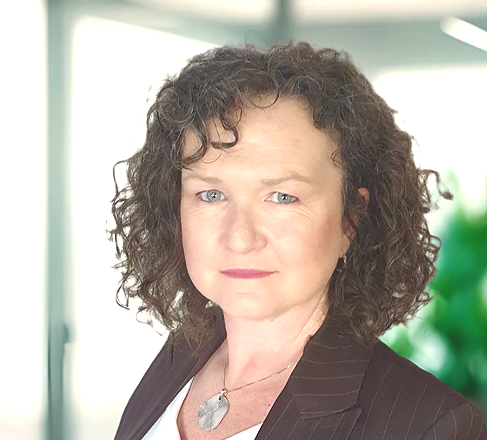
Angela Albiston
20+ years asking the question most programmes skip: can this organisation actually deliver what it is planning? The answer shapes everything that follows.
Full bio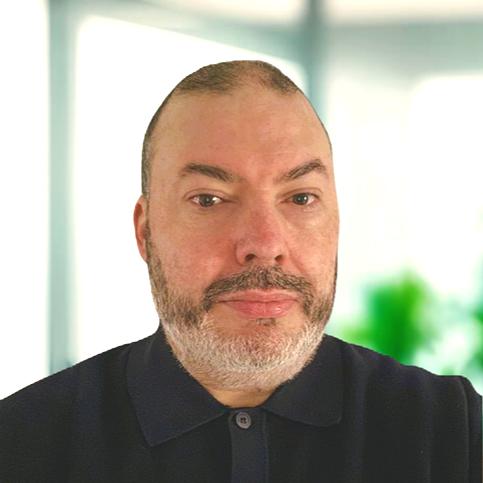
Lawrence Spence
25+ years embedding change in the environments where it is hardest. Change management is not a workstream in Optume engagements. It is a founding discipline, built into every stage.
Full bio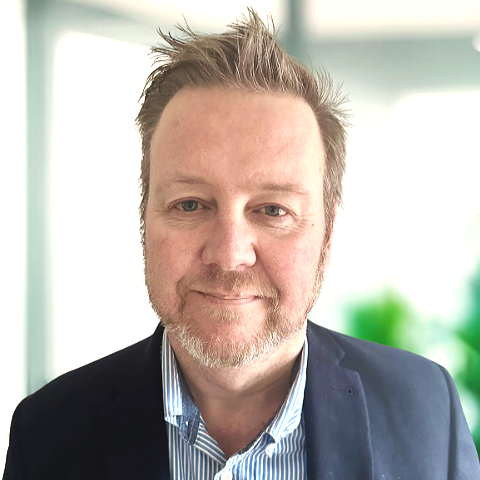
Martin Barker
Chartered Accountant and former Finance Director. 20+ years transforming financial systems across regulated environments. Called in when ERP programmes are in serious trouble.
Full bio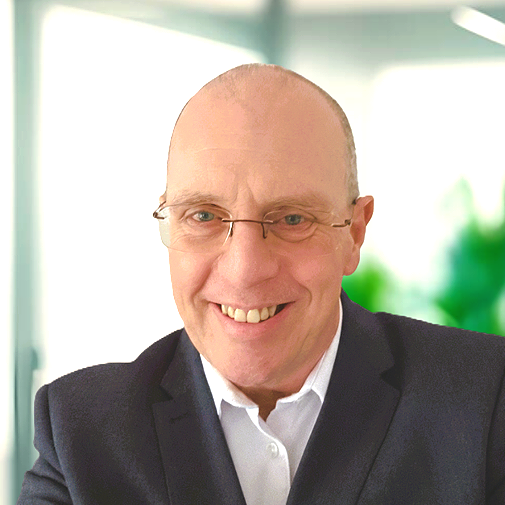
Callum MacAllister
Governance architect. Operational transformer. Technical depth from code to boardroom. Comfortable without a playbook, which is when it matters most.
Full bio